EYE AREA · 8 MIN READ
Eye-area looksmaxxing: brows, under-eyes and the whole frame.
Understand brows, under-eye shadows, puffiness and canthal tilt. Build an eye-area looksmaxxing plan around clear observations.
Explore eye-area looksmaxxing through brow framing, under-eye appearance and photo context. Turn broad labels into a specific next step.
 BROWS / UNDER-EYES / FRAMING
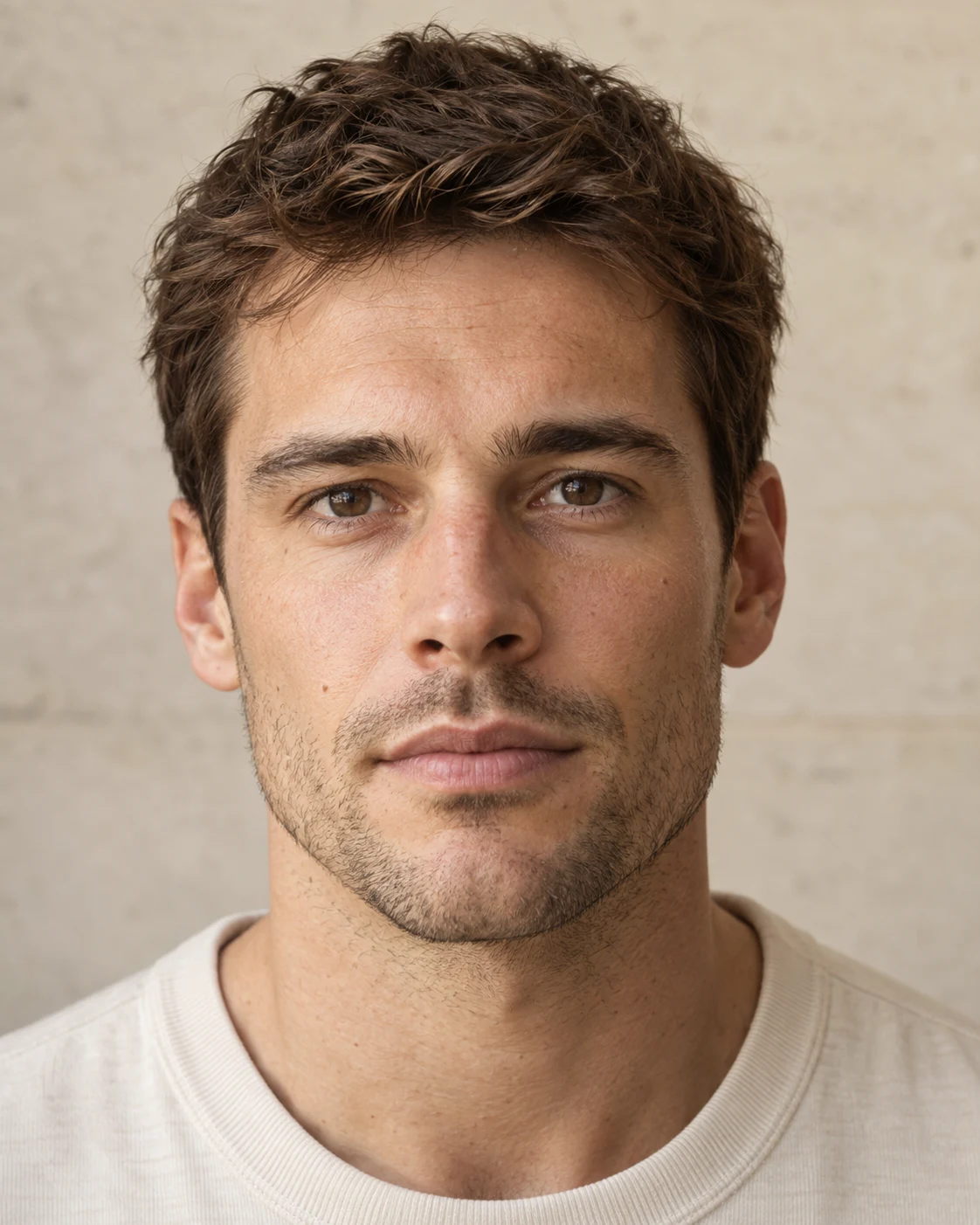
Separate brow shape, under-eye darkness, puffiness and eyelid appearance before making a plan. A grooming question and a persistent swelling concern need different next steps. Use a relaxed, evenly lit photo and describe exactly what you see instead of assigning the whole eye area one label.
Use the description to decide whether you are planning grooming, a better reference or professional assessment.
| The question | AWhat you notice | BA useful next question |
|---|---|---|
| Brow shape | The outline feels untidy or over-shaped. | Which hairs or contour would I tidy while preserving the shape I want? |
| Under-eye shadow | Darkness is prominent in some light. | Does the appearance persist in the same neutral lighting setup? |
| Puffiness | A raised contour appears below the eyes. | When does it occur, does it persist, and are there symptoms to discuss with a clinician? |
Descriptions such as ‘hunter eyes’ leave these separate questions unanswered. Start with the specific observation.
Use a neutral expression with the eyes naturally open. Avoid squinting or tilting the head to create a particular eye shape. Compare the same lighting setup before deciding that the eye area itself has changed.
Brush the brows into their ordinary direction and note the outline you want to retain. Record an under-eye concern separately, including when it appears and whether you have symptoms. Do not assume one grooming or skincare product answers both.
For presentation, compare fringe position, brow grooming or glasses one at a time. For a persistent or symptomatic change, prepare a healthcare question. An AI observation can help organize the note, but cannot identify the medical cause.
Eye-area vocabulary can combine anatomy, expression and framing into one label. Instead, identify the brows, visible eyelid, eye corners, under-eye region and glasses separately. A preference for a stronger upper frame is different from a persistent under-eye concern. The first may lead to a styling comparison; the second needs a history and an appropriate assessment when necessary.
Look at normal-size portraits before magnifying the eyes. Notice which element changes between photos and whether the expression is comparable. A relaxed brow and a deliberately lowered brow are different inputs. Your first useful note should name what you see and the conditions, rather than assign the entire eye area to an online category.
Brows, fringe and glasses form a connected upper frame. A dense fringe can hide part of the forehead and brows, while a strong upper rim adds another horizontal boundary. Compare one element at a time. Keep your normal grooming and choose glasses that fit before judging their visual weight.
For brow grooming, discuss the effect you want while preserving the natural growth pattern. For glasses, compare brow visibility, upper-rim weight and lens depth in the whole portrait. Write down the preferred effect so the decision can be repeated. The goal is a frame that supports your features in everyday use, not an intense expression maintained for a photograph.
Record the area, timing and photo conditions. If the concern is recent, persistent or uncomfortable, include that information in a professional question rather than trying to diagnose it from the appearance. Keep product and routine changes in the history if relevant.
For a lighting or presentation question, compare neutral and overhead light with the same pose. Label the effect as photographic. That leaves your framing decisions clear and your care questions appropriately separate.
| Purpose | Useful record |
|---|---|
| Brow or glasses framing | A full portrait and the variable you want to compare. |
| A photographic shadow | The light direction and a comparable relaxed image. |
| A persistent concern | Timing, symptoms and relevant care history. |
| An unfamiliar term | The definition and the actual landmark or feature involved. |
Start with a portrait you are uncertain about. Record the direction of the light and whether you were squinting. Take one evenly lit reference with the same camera distance. Keep brow grooming and hair unchanged. The comparison now tests the photograph rather than several appearance choices at once.
Next, decide whether you still have a framing question. If a fringe obscures the brows, compare it moved aside in that same setup. If the concern is persistent swelling or discomfort, make a note for assessment instead of continuing to adjust the framing.
The overhead reference creates a darker band below both eyes. Keep the even-light reference for later comparisons. Leave the eyebrow shape alone until there is a separate reason to change it.
Using a squinted or tilted reference as the target for your relaxed eye shape.
Write one eye-area observation, when you notice it and the next action that actually addresses it.
Separate the appearance question from what still needs an explanation.
Identify the brow shape to preserve before deciding what to tidy.
Can you describe the specific grooming change without removing the overall fullness?
No account or upload. Notes stay on this page; download them before leaving.
No. Hunter eyes is informal language describing a collection of eye-area impressions. Canthal tilt refers to a particular relationship between eye corners. Read the dedicated guides for the distinction.
It shows how brows, glasses and hair relate to the rest of the face. A close-up can exaggerate the importance of a small detail and hide the overall framing effect.
Keep a brief history and ordinary unfiltered references, then ask an appropriate qualified professional. Do not rely on a looksmaxxing label to determine the cause or treatment.
Understand brows, under-eye shadows, puffiness and canthal tilt. Build an eye-area looksmaxxing plan around clear observations.
What are hunter eyes? Compare hunter eyes vs prey eyes, eyelid exposure, brows and canthal tilt, with practical ways to assess your eye area.
Understand positive, neutral and negative canthal tilt, how photo measurements work, and why one eye angle cannot explain your entire face.